Is My Friend Insured if He Drives My Car
In most cases yes, because your car insurance follows the car, so your friend is covered driving it with your permission.
Coverage follows the car, not the driver behind the wheel
Car insurance is built around the vehicle. The policy you bought protects the car itself, so when someone else drives it with your okay, your policy is usually the one that responds first if something happens. This is why lending your car to a friend is different from lending them cash. The risk moves with the keys.
This only holds up when the use was something you'd reasonably allow. A friend borrowing your car for the weekend or to run an errand fits that. A friend who took your car without asking, or who you'd specifically told not to drive it, usually isn't covered the same way, and some insurers may treat that more like unauthorized use.
There are situations where this flips. If your friend lives with you, some insurers expect him to be listed on your policy, and if he isn't, that can affect coverage. Regular, repeated use of your car by the same person tends to push insurers toward wanting him added, even if he doesn't live with you. Occasional, one-off use is the clearest case for coverage.
Your friend's own insurance can also matter. If his coverage is broad enough, it may step in after yours is used up, or in some cases first. How these two policies interact, which pays first and which pays the rest, depends on how each policy is written, so it's worth checking both rather than assuming.

A weekend loan that turned into a claim
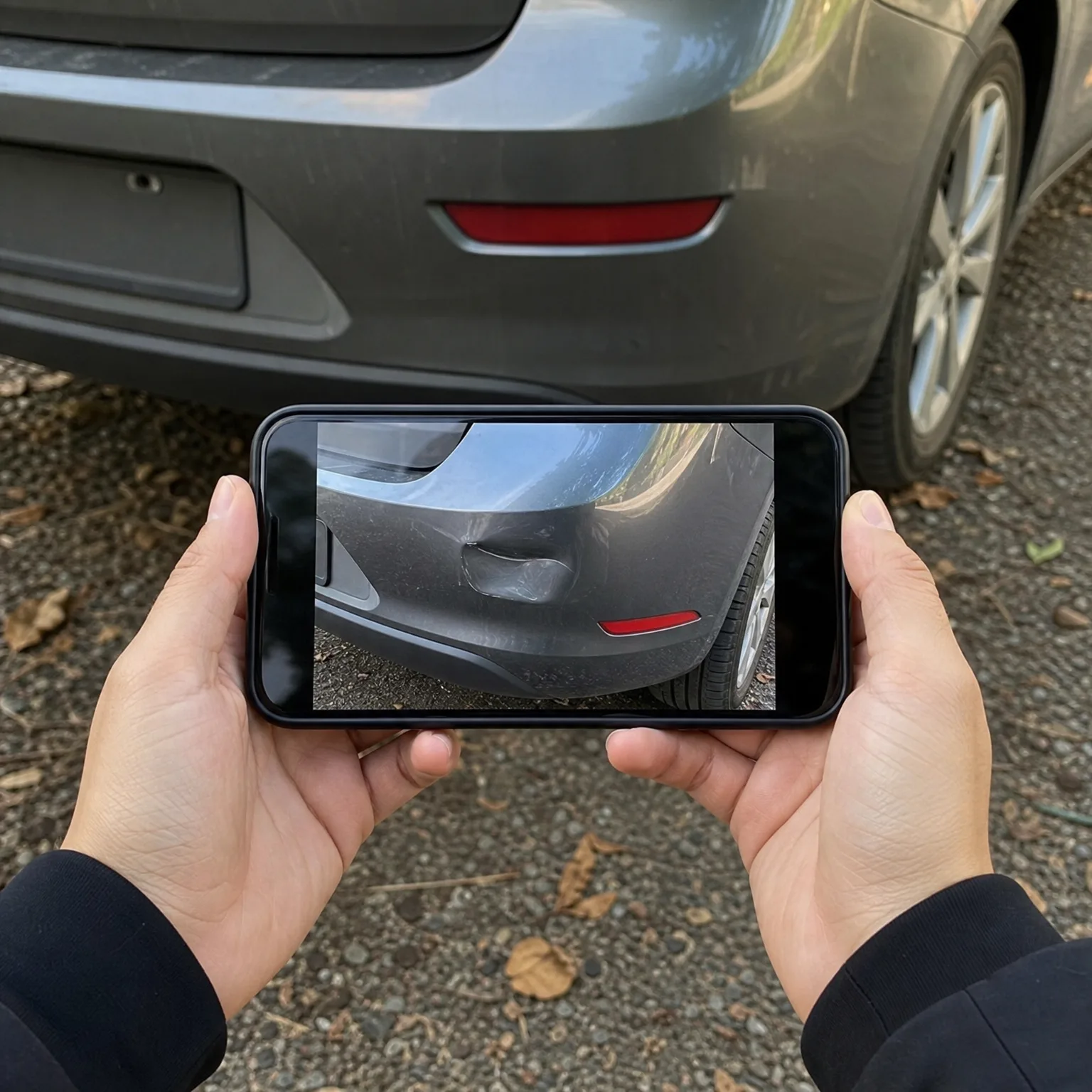
Say you let a friend borrow your car for the weekend while his own was in the shop. He backed into a pole in a parking lot, denting the bumper and cracking a light. He called you right away instead of trying to handle it himself, which mattered, because you're the one who knows your policy and your insurer.
You filed the claim under your own policy, since he had your permission to drive and the accident happened while he was using the car the way you'd agreed. The claim went through the same way it would have if you'd been driving. The repair got paid for, and your insurer treated it as your claim, not his, since the policy is tied to the car. The one thing that followed you afterward was that it was your claims history, not his, that reflected it.

Should you let your friend drive your car
If you do
He's covered by your policy for occasional use, and if something happens, your insurer handles it the same as if you'd been driving. The claim goes on your record, not his. Tell your insurer beforehand if he'll be driving regularly, not just once.
If you don't
You avoid any chance of a claim affecting your policy or premium. But he still needs a way to get around, and if he borrows someone else's car instead, you won't know how that person's coverage works. Saying no doesn't remove risk, it just moves it elsewhere.
Once you know how your policy covers other drivers, compare quotes to confirm that protection holds up.
What actually determines if your friend is covered
- Permission to drive If you said yes, even casually, that counts as permission. Keep it in mind that a clear yes is simpler to point to later than an assumed one.
- How often he drives it A one-time loan is treated differently than regular use. If it's becoming regular, check with your insurer about whether he should be added.
- Where he lives Some insurers ask about drivers in your household specifically. If your friend lives with you, check whether your policy requires him to be listed.
- His own insurance If he has a policy, it may apply after yours or alongside it. Ask your insurer how the two would interact before assuming yours is the only one that matters.
- What the accident involved Serious incidents, like driving under suspension or during illegal activity, usually aren't covered no matter who's driving. Know what voids coverage outright.
Your policy protects the car, so the real question isn't who's driving, it's whether you said he could.
Does my insurance go up if my friend crashes my car?
It can, because the claim is filed under your policy and counts as part of your history. Whether your rate actually increases depends on your insurer, the accident's cost, and your prior record. Check your policy's accident forgiveness terms if you have them. A minor claim with a clean history behind it is less likely to move your rate than a repeat issue would.
What if my friend doesn't have a license?
Coverage gets much shakier, because most policies assume anyone driving is legally allowed to. An unlicensed driver crashing your car could lead your insurer to deny the claim outright. Check your policy's language on permitted drivers before ever handing over your keys to someone without a valid license, since the answer isn't the same across insurers.
Can I limit who's allowed to drive my car?
Yes, some policies let you exclude specific people or restrict coverage to listed drivers only. If you've excluded someone, they're not covered under your policy even with permission. Check your declarations page or ask your insurer directly, since an exclusion changes everything about how a claim would be handled.