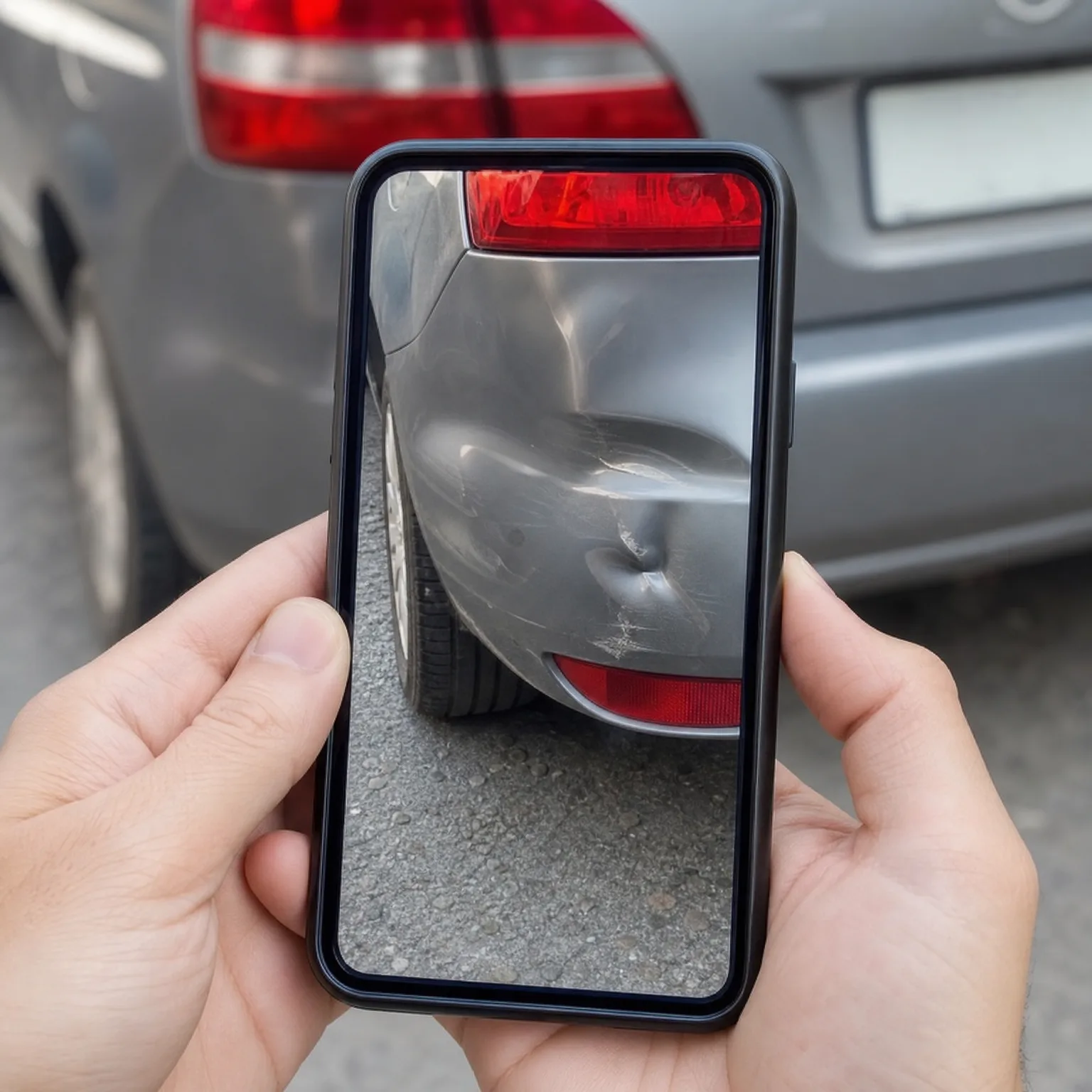
A Suspended Driver on a Family Policy
A suspended driver can usually stay on a family policy as an excluded driver while the household keeps coverage active.
Why the suspension doesn't have to wreck the whole policy
Insurers underwrite each driver on a policy separately, even though the policy itself covers a household. A suspension affects what that one person is allowed to do, not whether the car can be insured at all. So the usual path is to keep the policy in force for the other drivers and the vehicles, while formally addressing the suspended driver's status on that policy.
Most insurers let you exclude a suspended driver from coverage, which means the policy states clearly that this person is not covered to drive, and the insurer won't pay a claim if they do. This protects the rest of the family's rates and keeps the policy from being flagged as high risk because of one driver. The suspended person simply cannot legally drive any vehicle on the policy until reinstated, excluded or not.
What varies is how exclusions are handled and what paperwork they require. Some states don't allow driver exclusions at all, some require a signed form, and some insurers treat a suspended household member differently depending on why they were suspended. Check with your insurer directly about what they require, because doing it informally or verbally usually isn't enough to protect the policy if a claim comes up.
The other variable is the suspended driver's own future coverage. If reinstatement requires proof of insurance, that has to come from a policy that lists them as a covered driver, which is a separate step from what the family policy is doing now.

One family, one suspended license, one policy to protect
A mother of two had her license suspended after missing a court date tied to an old ticket. She was still listed on the family policy that covered her husband's car and her own. Worried that the suspension would cancel everyone's coverage, she called the insurer to ask what to do before any lapse happened.
The insurer walked her through excluding her from the policy while keeping her husband and the vehicles fully covered. She signed an exclusion form confirming she would not drive until reinstated. Her husband's rates stayed the same, and the policy stayed active the whole time. When her court matter was resolved and she was ready to reinstate her license, she arranged separate proof of insurance for herself at that point, since the exclusion meant she wasn't covered to drive under the family policy anymore.
Will excluding the suspended driver raise the family's rates?
Usually not, and it often prevents a rate increase rather than causing one. Insurers price a policy based on who is allowed to drive the covered vehicles. Excluding a suspended driver tells the insurer that person is not a risk on this policy anymore, which is generally viewed favorably rather than as a red flag.
What can affect rates is removing or adding vehicles, or if the suspension triggers a broader review of the account. Ask your insurer directly how the exclusion will be reflected on the next renewal, since this is one of the details that varies by company and by state.
Once you know how to keep your family's policy intact, compare quotes to see how an exclusion affects your rate.
What to handle now so the policy and reinstatement go smoothly
- Tell your insurer promptly Don't wait for a renewal or a claim to bring up the suspension. Call now so the policy reflects reality and no coverage gets voided later.
- Ask about a driver exclusion This keeps the suspended person off the covered-driver list without canceling anyone else's coverage. Confirm whether your state allows it and what form is required.
- Separate the reinstatement proof If the suspended driver needs proof of insurance to reinstate, it usually has to come from a policy listing them as a driver, not an exclusion. Plan for this as its own step.
- Don't let them drive meanwhile An excluded driver has no coverage at all behind the wheel. Make sure everyone in the household understands this clearly, including for short trips.
- Recheck after reinstatement Once the license is back, decide whether to add the driver back to the family policy or keep separate coverage. Ask your insurer what documentation they need to make the switch.

Can I remove myself from the family policy instead of being excluded?
You can, but it's usually unnecessary and can complicate reinstatement. Removing yourself means you no longer have any insurance history tied to that policy, which can matter if you need continuous coverage proof later. An exclusion keeps your name on record as a non-driver without creating a gap. Ask your insurer which option keeps your records cleanest for when you're ready to drive again, since this can vary by company.
Does the suspended driver need their own policy to reinstate?
Often yes, because reinstatement usually requires proof of insurance in the suspended driver's own name. An exclusion on the family policy proves the opposite, that they are not covered to drive. Check with your state's licensing agency about exactly whose name needs to appear on the proof of insurance, since this determines whether a separate policy or an SR-22 filing is required before the license can be reinstated.
What happens if the excluded driver gets caught driving anyway?
There is no coverage for that person or that incident, and the family policy likely won't pay for damage or injury they cause. Insurers can also cancel or refuse to renew the policy once they learn an excluded driver was operating a covered vehicle. Beyond the insurance consequences, driving while suspended typically carries its own legal penalties, which vary by state and can delay reinstatement further.