What Is a Driving Privilege
A driving privilege is a limited right to drive legally during a suspension, usually for work, school, or medical care.
A missed court date turned into a work commute problem
Someone had their license suspended after missing a court date tied to an old ticket. They didn't know until they tried to renew their registration and got turned away. With a job that started early and no public transit nearby, they needed to drive legally again as fast as possible, but reinstatement wasn't instant.
They asked the court about a limited driving privilege so they could keep working while sorting out the suspension. The court granted a restricted privilege that let them drive to and from work and to required appointments, as long as they carried proof of insurance in the car at all times. Once they paid what they owed and met the state's other conditions, the full license came back. The privilege didn't erase the suspension, but it kept their job and their insurance intact while they worked through it.
The short version
A driving privilege is a limited, legally approved right to drive during a suspension, usually restricted to things like work or medical appointments. Courts or state agencies grant it, and it almost always requires proof of insurance. Ask your court or licensing agency if you qualify, and get insurance proof lined up first.
Does a driving privilege show up as a real license or something else?
It's usually a separate document or notation, not a replacement license. You may get a restricted license, a court order, or a permit you must carry along with your regular ID when driving.
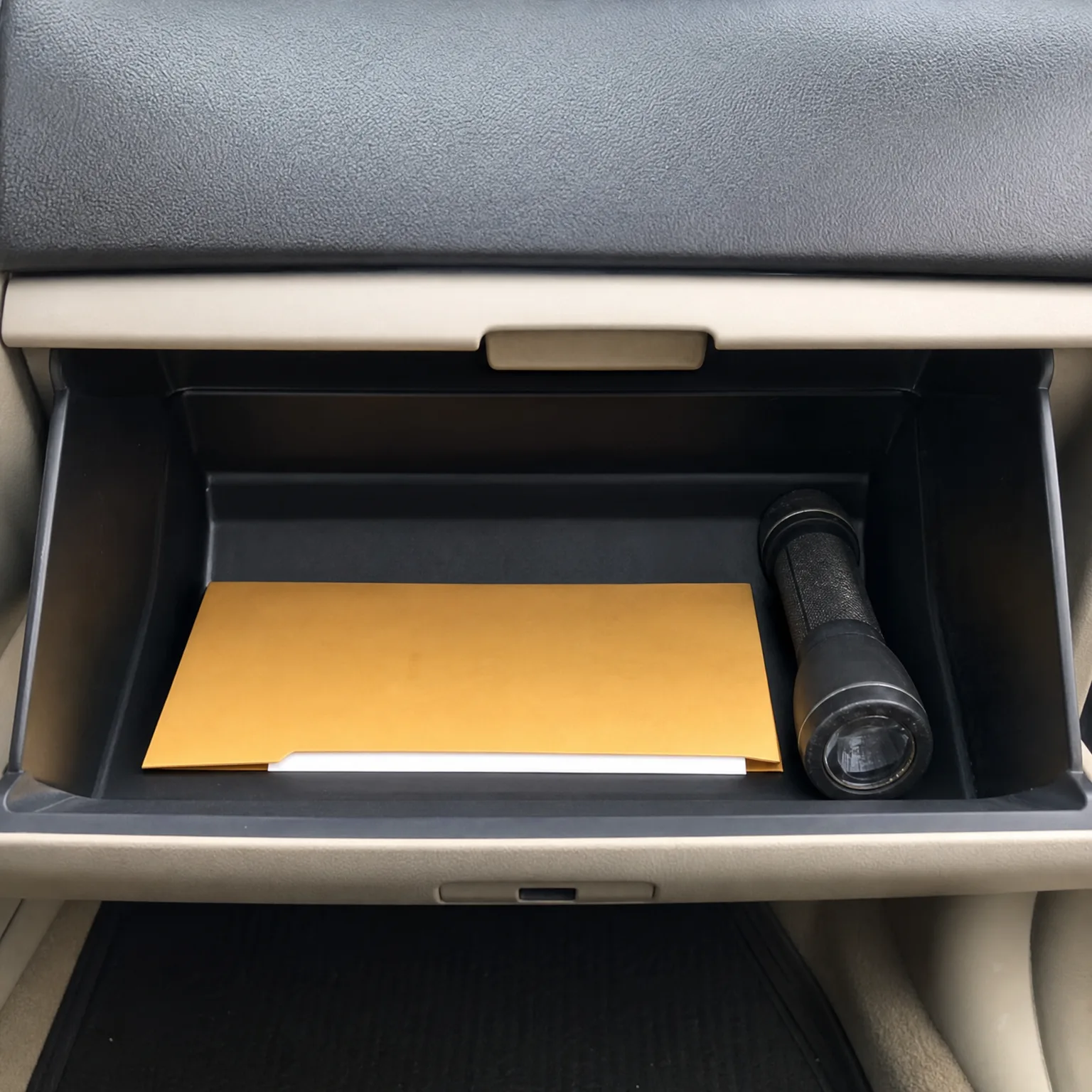
What it looks like depends on your state and the reason for the suspension. Some states issue a physical restricted license with conditions printed on it. Others rely on a court order you keep in the car as proof. Either way, you're expected to show it if you're stopped, along with proof of insurance. Check with your local court or licensing agency to find out exactly what document you'll need to carry and what happens if you're caught driving outside its limits.
Once you know what your driving privilege allows, compare insurance quotes that fit those exact conditions.
What a driving privilege actually covers
- It's limited by purpose A privilege usually only covers specific trips like work, school, or medical care. Check your order or permit for the exact list before you drive anywhere else.
- It's not automatic You typically have to request it from a court or licensing agency, not just assume you have it. Ask what forms or hearings are required in your state.
- Insurance proof is required Most privileges require an active insurance policy, and sometimes an SR-22 filing. Get proof of coverage lined up before you ask for the privilege, not after.
- Breaking terms ends it Driving outside the approved purposes can mean losing the privilege and facing the original suspension again. Keep a copy of the terms in your car and follow them exactly.
- It varies by state What counts as a driving privilege, how you get one, and what it allows differs by state. Check with your local court or motor vehicle agency for your state's rules.

Can I get a driving privilege without a lawyer?
Yes, in many cases you can request one directly through the court or licensing agency without hiring a lawyer. The process is often a form or a short hearing explaining why you need to drive.
Whether you need legal help depends on the complexity of your case, like whether a DUI or multiple violations are involved. Check with your court clerk about the specific process in your area, since some require more documentation than others.
How long does a driving privilege last?
It typically lasts until your suspension ends or until you meet whatever conditions were set for reinstatement. The exact length depends on your state and the reason for the suspension.
Some privileges are tied to a calendar period, while others last until you complete requirements like paying fines or filing insurance proof. Check your court order or agency notice for the specific end date or condition, since missing it can mean reapplying.
What happens if I get pulled over while on a driving privilege?
You'll need to show the officer your privilege document and proof of insurance, along with your ID. As long as you're driving within the approved purpose, like commuting to work, you should be fine.
If you're driving outside what the privilege allows, you risk losing it and facing the original suspension again, sometimes with added penalties. Keep the written terms in your car so you can confirm you're within bounds if asked.