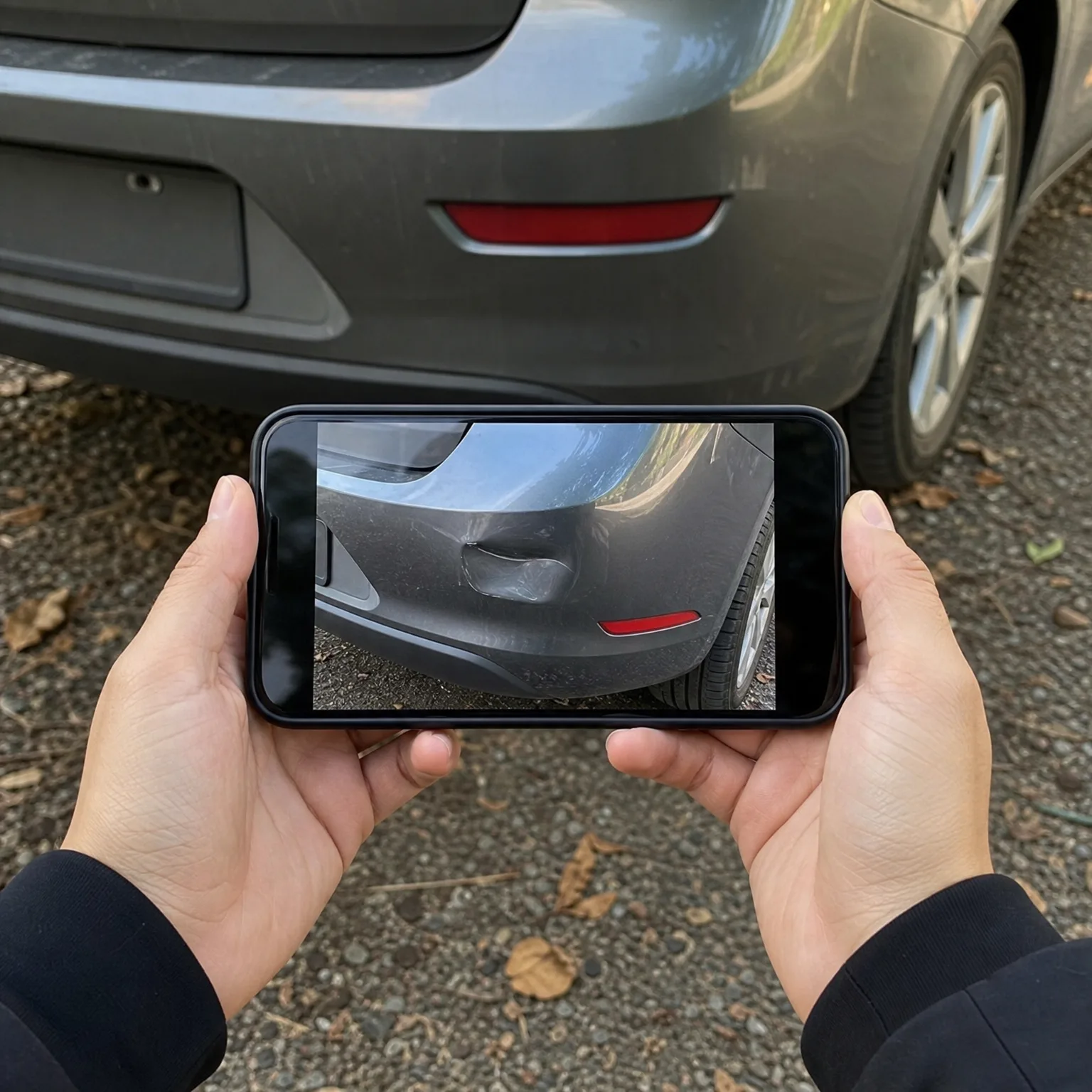
Staying Insured After You Get Your License Back
Once your license is back, staying insured means keeping any required filing active and never letting coverage lapse again.
Why your coverage still gets watched after reinstatement
When a license gets suspended for something that touches insurance, like driving uninsured or a serious violation, the state often doesn't just want you covered going forward. It wants proof, filed directly by the insurer, that you're covered without interruption. That proof is usually what's called an SR-22 or something similar, and it's not a type of insurance itself, it's a form your insurer sends confirming you have a policy that meets the state's minimums.
The reason this matters so much is that the filing is tied to your insurer, not to you. If your policy lapses, even for a day, the insurer is required to tell the state, and that can undo the reinstatement you just got. This is different from ordinary insurance, where a lapse mostly just costs you a discount. Here, a lapse can mean the suspension comes back.
How long you need to carry this kind of filing, and whether your state requires it at all, depends on why you were suspended and what your state's rules say. Some states require it for a set period tied to the violation, others leave it to the court or agency that handled your case. This is also where it varies by insurer. Not every company offers this filing, and among those that do, how they price the coverage behind it differs quite a bit.
The part that catches people off guard is that this isn't just about the months right after reinstatement. It's about building a clean, unbroken record going forward, because the next time something goes wrong, insurers and the state will look at whether you kept steady coverage this time.

What to line up before and after you're back on the road
- Confirm what's required Check with your state agency or court exactly what kind of filing or proof you need now. Don't assume it's the same as what triggered the suspension.
- Get the filing started early Ask your insurer to submit any required filing before you expect reinstatement to clear. Delays in filing can delay getting your license back even after everything else is done.
- Never let the policy lapse Set up autopay or reminders so payment never slips, since a lapse during a filing period can trigger a new suspension. Treat this period as zero tolerance for missed payments.
- Decide if you need a car insured If you own or regularly drive a vehicle, you'll need an active policy on it, not just proof of ability to get one. If you don't own a car but still need the filing, ask about a non-owner policy.
- Shop once the filing period ends Once your state no longer requires the special filing, compare quotes again since rates often drop once that requirement is gone. Don't assume your current insurer is still your best option.
A driver getting reinstated after a lapse caused by unpaid tickets
Someone's license was suspended after a string of unpaid tickets piled up and the state flagged the record. They didn't own a car during the suspension, but once reinstatement was close, they found out the state still wanted proof of insurance filed for a set period, since the suspension involved a driving violation. They didn't have a vehicle to insure yet, so they asked an insurer about a non-owner policy that could carry the required filing.
They got that filing submitted before the reinstatement date, paid on time every month without exception, and avoided financing a car until the filing period ended. When it did, they bought a car and shopped quotes fresh, since their driving record now looked a year cleaner than before the suspension. The rate they got wasn't as low as someone with no history at all, but it was noticeably better than the one they'd been quoted going into the filing period, because insurers could now see the unbroken coverage as a sign of reliability rather than risk.
Now that you know what proof and coverage you need to keep, compare quotes to find an insurer that fits your situation.

Will my insurance rate go back to normal after the filing ends?
It usually improves, but it rarely snaps back to what it was before the suspension right away. Insurers look at your overall record, not just whether a filing requirement has ended, so the violation or lapse that caused the suspension can still affect pricing for a while after.
What changes the most is the unbroken coverage you built during the filing period. Insurers tend to see steady, uninterrupted payment history as a strong signal, even when the record still shows the earlier issue. How much weight any single insurer gives to that history differs, so it's worth comparing quotes rather than assuming your current insurer will automatically lower your rate once the requirement ends. Some will reward the clean stretch quickly, others take longer to adjust pricing, and checking both your current insurer and a few others is the only way to know which applies to you.

The license being back isn't the finish line. The real goal is an unbroken coverage record from here forward.