Can a Financed Car Be Repossessed for No Insurance
Yes, your lender can repossess a financed car if you let the required insurance lapse.
Your loan contract requires coverage, and the lender can enforce it
When you financed the car, you signed a contract that almost certainly requires you to keep full coverage on it for as long as the loan exists. That coverage protects the car, which is the lender's collateral until you pay it off. Letting that insurance lapse is a breach of the loan agreement, separate from whether you miss a payment.
Most lenders don't repossess the moment a policy lapses. They typically get notified by your insurer through a cancellation notice, and they'll often add their own lender-placed insurance to protect the car and bill you for it, sometimes without much warning. That coverage is usually more expensive and only protects the car, not you, so it's a costly stand-in rather than a solution.
If you ignore the lapse and don't restore your own coverage or pay the lender-placed premium, the account can be treated as in default, even if your monthly payments are current. Default is what opens the door to repossession, and some lenders move faster than others on this.
What varies is how quickly a lender acts, whether they add lender-placed insurance automatically, and what your state requires before a repossession can happen. Check your loan agreement and your state's rules so you know your own lender's process rather than assuming.
How long can insurance lapse before repossession actually happens?
There's no fixed timeline, and it depends entirely on your lender's internal policies and your state's rules. Some lenders flag a lapse within days and move to add their own coverage almost immediately. Others give more room before taking action.
What usually buys you time is responding fast. If you get a notice about a lapse, call your lender right away and explain what's happening, then get new coverage in place as quickly as possible. Lenders generally prefer getting paid over repossessing a car, since repossession costs them money too. The real risk comes from silence, when you ignore notices and let the account drift into default without any communication.

Insurance is a separate loan condition from your payment history, and breaking it has its own consequences.
Once you know what your loan requires, compare quotes to get coverage that satisfies your lender and fits your budget.

Letting coverage lapse versus keeping it active
If you do
If you let your policy lapse, your insurer notifies the lender, who may add expensive lender-placed insurance and bill you. If you don't resolve it, your loan can be treated as in default, which opens the door to repossession even with payments current.
If you don't
If you keep continuous coverage that meets your loan's requirements, your lender has no insurance-related reason to act. Your loan stays in good standing on that front, and you avoid lender-placed premiums and the stress of wondering whether your car could be taken.

What actually puts your car at risk and how to stay ahead of it
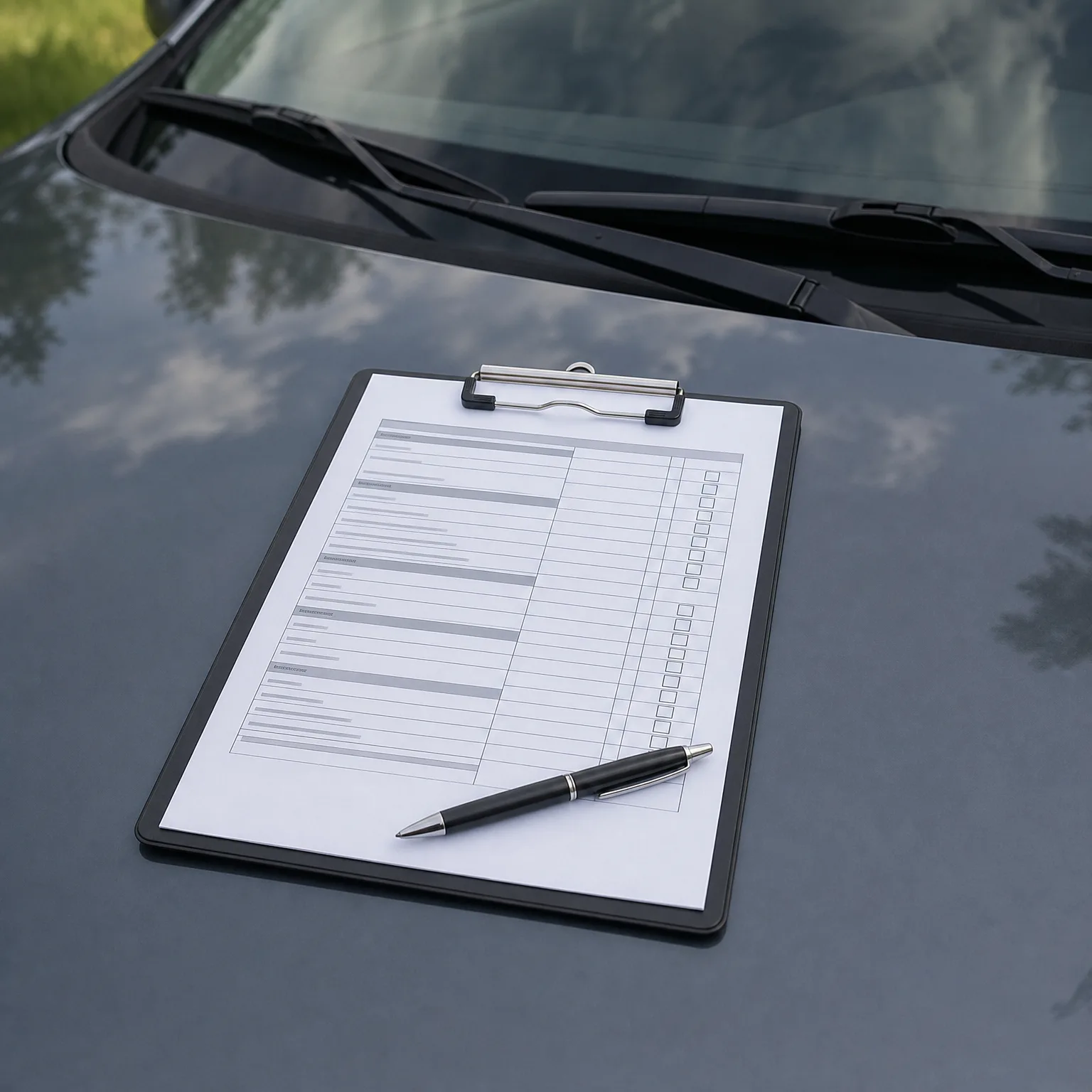
- Check your coverage requirement Your loan agreement states the minimum coverage you must carry, usually more than your state's legal minimum. Read it now so you know exactly what to maintain.
- Watch for lapse notices Insurers notify lenders when a policy cancels. Don't ignore mail or calls from your lender about coverage, since silence is what pushes accounts toward default.
- Avoid lender-placed insurance This coverage protects the car only, costs more, and gets billed to you. Replace it with your own policy as fast as possible if it's ever added.
- Call your lender about any lapse Explain the gap and your plan to fix it. Lenders generally prefer resolution over repossession, since repossession costs them money too.
- Reinstate coverage immediately The faster you have an active policy meeting your loan's terms, the faster the default risk disappears. Don't wait for a second notice.
A missed renewal that almost cost someone their car
Someone financing a car switched insurers to save money, but the new policy didn't start until a few days after the old one ended. The gap was small, just a scheduling mistake, but the old insurer reported the cancellation to the lender automatically. The lender sent a notice about the lapse and warned that lender-placed insurance would be added if nothing changed.
The driver called the lender immediately, explained the new policy was active now, and sent proof of coverage the same day. Because they responded fast and had continuous coverage in place within days, the lender didn't add any insurance of its own and the account stayed in good standing. The lesson they took from it was to always start a new policy before canceling the old one, so there's never a gap for a lender to notice at all.